

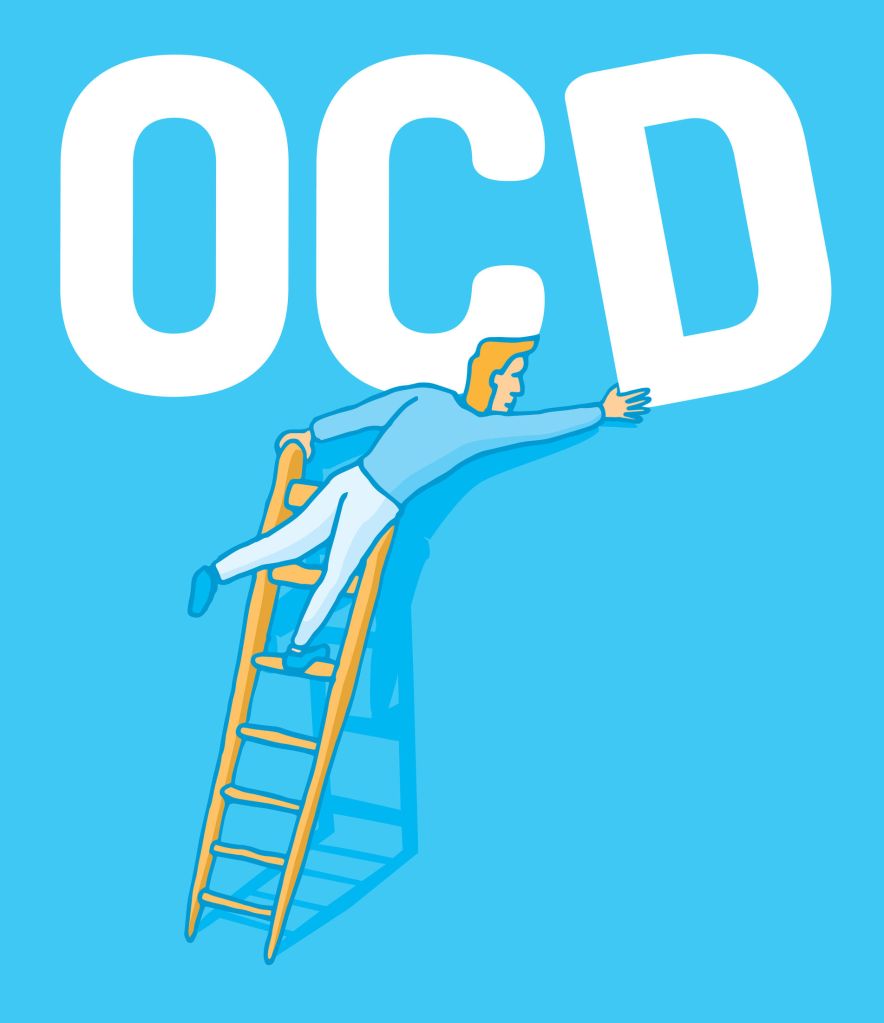
Obsessive-Compulsive Disorder (OCD) is a disorder in which people have recurring, unwanted thoughts, ideas or sensations (obsession’s that make them feel driven to do something repetitively compulsions).
Different types of OCD
There are no official classification or subtypes of OCD. Research suggests people experience OCD Symptoms in four main categories: cleaning and contamination, symmetry and ordering, forbidden, harmful, or taboo thoughts and impulses.
Cleaning and Contamination: Contamination OCD is a common OCD subtypes in which a person obsesses over contracting an illness or spreading germs.
Symmetry and Ordering: In OCD, symmetry obsessions are characterized by the need for things to be perfect, exact or “just right,” symmetrical, or correctly aligned, and related compulsions include ordering and arranging, evening up or aligning things and touching or tapping.
Forbidden and Harmful: People with OCD characterized by forbidden thoughts may intrusive thoughts that are often violent or sexual in nature.
Taboo thoughts and impulses: Unacceptable or taboo thoughts in OCD include sexual aggressive, and religious obsessions. It appears that individuals with this type of primary OCD experience more obsession’s and fewer overt compulsions, and thus, may take longer to treat.
OCD Symptoms
OCD often centers on themes such as fear of germs or the need to arrange objects in a specific manner. Symptoms usually begin gradually and vary throughout life.
What Causes OCD
Compulsions are learned behaviors, which become repetitive and habitual when they are associated with relief from anxiety. OCD is due to genetic and hereditary factors. Chemical, structural and functional abnormalities in the brain.
Treatment for OCD
Support Group
Cognitive Behavioral Therapy
Aversion Therapy
Psychoeducation
Rational Emotive Behavior Therapy
Exposure and Response Prevention
Psychotherapy
Systematic Desensitization
Group Psychotherapy
How does OCD affect Peoples Mental Health
People with OCD may have symptoms of obsessions, compulsions, or both. These symptoms can interfere with all aspects of life, such as work, school, and personal relationships. Obsessions are repeated thoughts, urges, or mental images that cause anxiety.
 The Road to Recovery
Leave a comment