

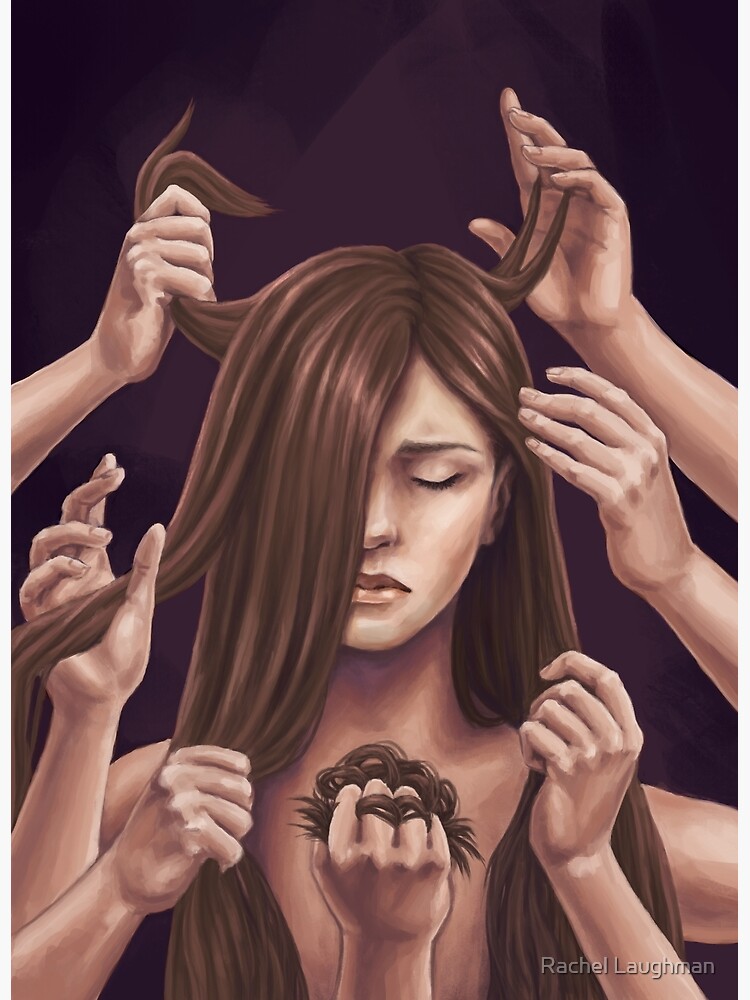
Trichotillomania is a disorder that involves recurrent, irresistible urges to pull out body hair from the scalp, eyebrows, or other areas of the body. The cause of this disorder is a way for an individual to deal with stress or anxiety. A chemical imbalance of brain, similar to obsessive compulsive disorder changes in hormone levels during puberty. Although the cause of this compulsive disorder is largely unknown, it appears that trichotillomania can be triggered by an initial trauma. This indicates that this particular disorder is a response behavior, rather than a stand alone illness. This disorder won’t go away on its own. It is a mental health disorder that requires treatment. The options includes counseling and medications, such as antidepressants.
Types of therapy that may be helpful for trichotillomania include:
- Habit reversal training. This behavior therapy is the primary treatment for trichotillomania. You learn how to recognize situations where you’re likely to pull your hair and how to substitute other behaviors instead. For example, you might clench your fists to help stop the urge. Other therapies may be used along with habit reversal training. A variant of this technique, called decoupling, involves quickly redirecting your hand from your hair to another location.
- Cognitive therapy. This therapy can help you identify and examine distorted beliefs you may have in relation to hair pulling.
- Acceptance and commitment therapy. This therapy can help you learn to accept your hair-pulling urges without acting on them.
 The Road to Recovery
Leave a comment