Laying on my bed, in my dark bedroom. Listening to the rain as it hit my window. The sound of the thunder and the sight of the lighting calms me down. I am tired of depression and anxiety taking up space in my brain. I try to ignore it, but the feeling is getting stronger. Tears rolling down my face because I can’t take it anymore. Feeling worthless and feeling suffocated of the darkness of depression…I feel afraid of giving into my horrible negative thoughts. I shut my eyes and I see a beautiful face with a gorgeous smile looking at me. She’s an angel, glowing like the bright yellow sun. She looks at me and say ” It will be okay” She hugged me and kiss me on the forehead. Before she left she told me “Continue to make me proud. Don’t give up. I love you my daughter.” I told her okay mom. I got this. I love you too. I opened my eyes and felt a feeling of peace.
The Diary of Depression and Anxiety
Where do I begin?
Battling depression and anxiety is overwhelming. Depression feels like a dark, rainy cloud hovering over me. A person following me telling me how worthless I am and nobody wants me here.
I was told that anxiety is suppose to keep me safe from harm and danger. But sometimes I feel like it keep me isolated from the things I want to do in my life.
The voices are so loud and scary. What can I do? Then a powerful voice of God tells me to pray. I say “Oh God!! Take this pain and dark thoughts away from me!” I keep talking to God and crying out to him. All of the sudden I feel his peace, love and protection. He let me know that he is aways with me to fight through this battle of depression and anxiety. I am strong enough to get through this. Philippians 4:13 says I can do all things through Christ who gives me strength.
The Benefits of Setting Boundaries to Help Protect your Mental Health

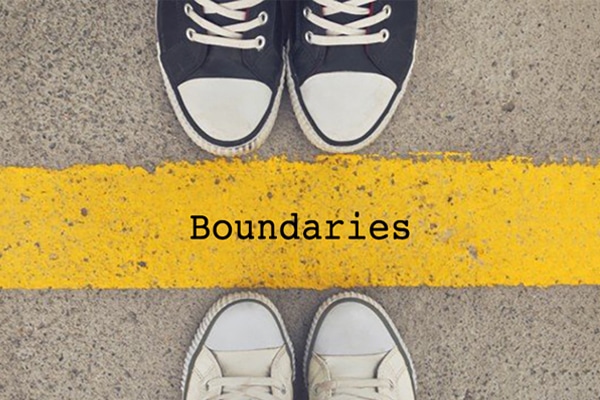
Setting and maintain boundaries will help you conserve your emotional energy and can put you in a better mental state. With emotional and physical boundaries, you will develop autonomy and independence maintain your assertiveness about your boundaries will also help bolster your self-esteem.
Boundaries are important for your mental health because it helps you assert what you’re okay and not okay with. Personal boundaries in relationships are necessary because you may feel resentful and exhausted without them. Many have found that setting boundaries improves your mental health and mood. Without limits, its hard to be self-aware and independent.
Six Different Types of Boundaries
Physical Boundaries encompass touch your personal space, and your physical needs. For example, you can create limits about how or when you are touched as well as who you are able to determine who is allowed into your personal space or home.
Emotional Boundaries are not about going from feeling everything to feeling nothing. They’re about finding a middle ground: a space where you can feel and respond loving to other’s emotions without letting those emotions dictate our own realities.
Time Boundaries is based on how a person manage their time. A person must set aside adequate time for each aspect for their life, such as work, relationships, and hobbies, to make set time boundaries. Conversely, time boundaries are breached when someone demands too much of another’s time.
Sexual Boundaries
- How people touch your body-including over or underclothes and your body parts.
- How people see your body-such as being naked, partially naked, or dressed in a sexy way.
- How people treat you in sexual situations-including how they speak to you and what your relationship is.
Intellectual Boundaries refer to thoughts and ideas. Healthy intellectual boundaries include respect for other’s ideas and an awareness of appropriate discussion. They are violated when someone dismisses or belittles another person’s thoughts or ideas.
Material Boundaries refer to money and possessions. Healthy material boundaries involves setting limits on what you will share, and with whom.
My Healing Journey


The growth that I am experiencing is my healing and spiritual growth. Being sober for almost four years, going to therapy, and working on my mental and physical health is an amazing journey. My spiritual growth is important to me because it brought me closer to God. I’ve been working on building a relationship with him and it has made me rethink about my life choices. Looking back on how I was in my late twenties versus now being thirty-three years old, I have changed to become a better me. I want to share my life experiences with the world to inspire people. To let them know they can overcome any challenges and obstacles in their life.
10 Ways to Practice Emotional Self-Care
- Meditate
Meditation can sound like an intimidating practice, but it doesn’t have to be. Its about having a quite moment to yourself. Take a few deep breathes to clear your mind.
2. Be Present
Stay in the present moment. If your mind is constantly jumping between the past, present, and future, it is draining your energy.
3. Forgive yourself
The best way to release past burdens and trauma is to forgive yourself and choose love instead. If you are not ready to let go, simply honor your willingness to acknowledge it.
4. Take the High Road
Use the conflicts and arguments in your life as a test to take the high road. Every time you choose peace over conflict, you strengthen your ability to protect your emotional well-being.
5. Let go of Judgement
Although judgment may feel good at the moment, remember that inner peace always feels better in the long run.
6. Affirmations
The number one thing to remember when using affirmations is you must believe. Gently replace negative thoughts to more positive thoughts.
7. Gratitude and Appreciation
Prioritize the feeling of gratitude by intentionally showing appreciation for people and things around you. Gratitude is the best way to get out of an emotional rut quickly.
8. Always Choose Happiness
Whenever you get into circumstances that try to threaten your happiness, ask yourself this simple question: “Would I rather be right or happy?.
9. Explore Spirituality
Spirituality can offer a place of calm and peace like no other practice. The key to finding the spiritual path that resonates with you is to have an open heart and an open mind.
10. Follow your Intuition
Learning to trust in your intuition is incredibly empowering and life changing. It’s innate and within all of us, all you have to do is have in it.
For more information or other tips on mental health and self-care: millennial-grind.com By: Kenneth Wong
Intergenerational Trauma


Intergenerational trauma is a concept developed to help explain years of generational challenges within families. It is the transmission (or sending down to younger generations) of the oppressive or traumatic effects of a historical event. Examples of intergenerational trauma are domestic violence, alcohol and drug addiction, child abuse and neglect refuges, and survivors of combat trauma and war related trauma. This type of trauma often goes unrecognized. This allows the cycle to continue. Common symptoms includes low self-esteem, depression , anxiety, insomnia, anger, and self-destructive behaviors. Sleep disturbances, substance abuse disorders, numbing and detachment, respiratory symptoms, and much affects a person. Children may experience difficult with attachment, disconnection from their extended families and culture and high levels of stress from family and community members who are dealing with the impacts of trauma. Breaking generational trauma is about building resilience through and loving communication between generations is one of the best ways to loosen generational trauma’s grip. Healing happens when family members speak up and work through any hurt, pain, or abuse from the past. Having an open and honest communication can open up channels of healing and foster resilience amidst family adversity. Children of trauma survivors must be willing to work through their family’s trauma in order to help break the cycle. If you’re working through intergenerational trauma connecting with a mental health professional can have benefits. A trauma informed therapist can help you begin to heal by : listening to your experiences and sharing insights into trauma responses.
Children’s Mental Health and Well-Being

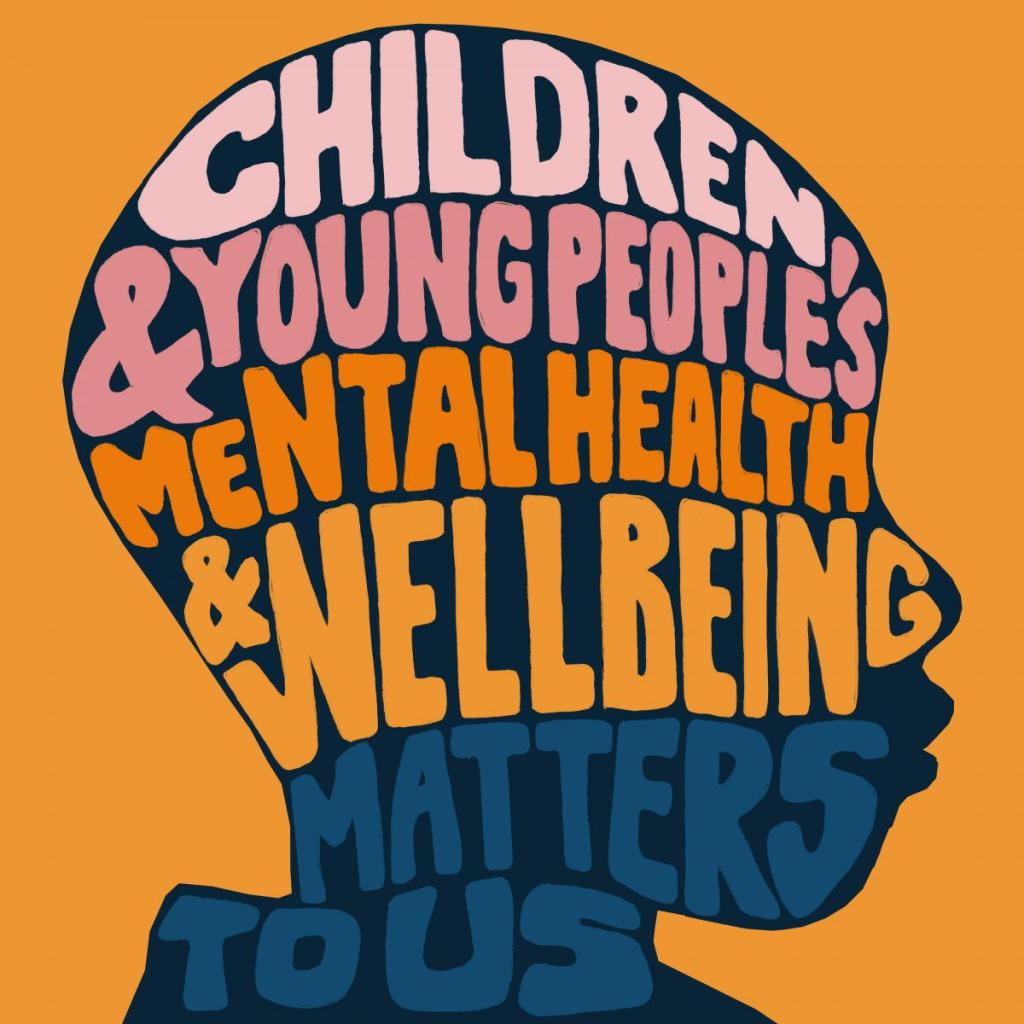
Mental health is the way children think and feel about themselves and the world around them. It affects how children cope with life’s challenges and stresses. Being mentally healthy during childhood means reaching development and emotional milestones and learning healthy social skills and how to cope when there are problems. Mentally healthy children have a positive quality of life and can function well at home, in school, and their communities. Health and well-being underpin and determine children’s responses to their environment, to people and to new experiences. Emotional well-being includes relationships, which are close, warm and supportive, and being able to express feelings such as joy, grief, frustration and fear.
Mental health disorders can affect classroom learning and social interactions, both of which are critical to the student’s success. However, if appropriate services are put in place to support young people’s mental health needs. We can often maximize success and minimize negative impacts for students. There is a clear connection between mental health and academic performance. Helping students make the most of their education is everyone’s goal. Students struggling with depression or other mental illnesses have a harder time feeling motivated, learning, concentrating, taking tests, etc. Children and adolescents who have mental health problems may have trouble learning. They may also have difficulty completing tasks and also more likely to have lower grades and take a leave of absence from school.
Mental health affects and development by helping children develop the resilience to cope with whatever life throws at them and grow into well-rounded, healthy adults. Things that can help keep children and young people mentally well includes: being in good physical health, eating a balanced diet and getting regular exercise. It will help them feel good about their lives and can function well at home, in school, and in their communities. When a child is mentally healthy, they are able to learn the skills needed to be successful in and out of school and can bounce back (cope) when they face problems.
Schools need to realize that teaching mental health is important. Teaching mental and physical health together leads to better outcomes for children and adolescents. Students’ mental health impacts many areas of their lives, including their relationships with other people and drugs and alcohol. Good mental health allows children to think clearly, develop socially and learn new skills. Additionally, good friends and encouraging words from adults all important for helping children develop self confidence, high self-esteem, and a healthy emotional outlook on life.
Trichotillomania Disorder

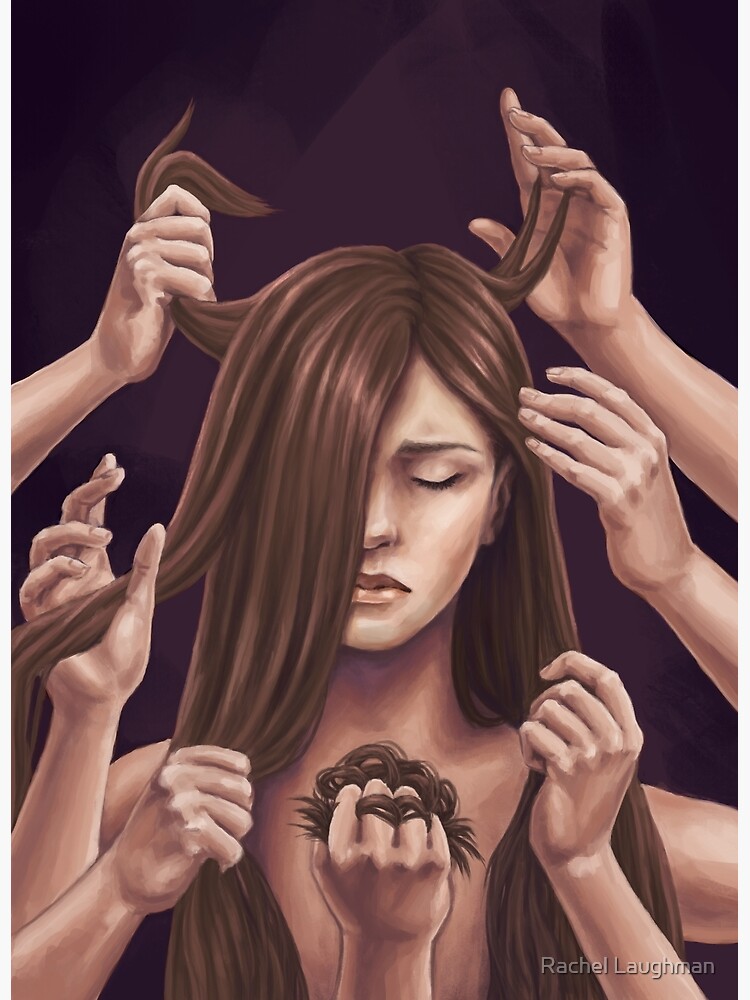
Trichotillomania is a disorder that involves recurrent, irresistible urges to pull out body hair from the scalp, eyebrows, or other areas of the body. The cause of this disorder is a way for an individual to deal with stress or anxiety. A chemical imbalance of brain, similar to obsessive compulsive disorder changes in hormone levels during puberty. Although the cause of this compulsive disorder is largely unknown, it appears that trichotillomania can be triggered by an initial trauma. This indicates that this particular disorder is a response behavior, rather than a stand alone illness. This disorder won’t go away on its own. It is a mental health disorder that requires treatment. The options includes counseling and medications, such as antidepressants.
Types of therapy that may be helpful for trichotillomania include:
- Habit reversal training. This behavior therapy is the primary treatment for trichotillomania. You learn how to recognize situations where you’re likely to pull your hair and how to substitute other behaviors instead. For example, you might clench your fists to help stop the urge. Other therapies may be used along with habit reversal training. A variant of this technique, called decoupling, involves quickly redirecting your hand from your hair to another location.
- Cognitive therapy. This therapy can help you identify and examine distorted beliefs you may have in relation to hair pulling.
- Acceptance and commitment therapy. This therapy can help you learn to accept your hair-pulling urges without acting on them.
Mental Health Awareness Month (my mental health journey)

May is Mental Health Awareness Month. It was established in 1949 to increase awareness of the importance of mental health and wellness in Americans lives, and to celebrate recovery from mental illness. It also gives people the opportunity to share their mental health stories to inspire people to talk about it and educate others.
About five years ago I was diagnosed with Generalized Anxiety Disorder and Major Depressive Disorder. My mental health journey is quite interesting and difficult to talk about. I lost my mother to stomach cancer about twenty years ago. I was only 12 years old, a brokenhearted lost little girl. I didn’t know how I was going to move forward in life without her. In my middle to late twenties, I was in a dark place mentally. I would drink alcohol heavily everyday to numb my pain of depression and anxiety. It even got to the point that I would self-harm to feel better. I didn’t want to think of the traumatic experience of my childhood. I felt like if everybody in my life left me that would be fine with me because I had my bottle of alcohol (my best friend) and I’ll be okay. I kept drinking until my 30th birthday, that’s when things took a turn for the worse. I won’t go into details, but I woke up the next day not remembering anything that happened the night before. That incident made me realize that I needed to change my life around. With the help of my friend, I went into therapy and it great. It felt refreshing expressing my feelings about my childhood trauma. I threw away all my alcohol and started journaling, reading books about self-growth and mental health and I continued going to therapy. This year in October will be four years of me being sober! I have been thorough so much in my life. With my friends and family supporting me and God protecting me, I wouldn’t be alive. I still have my days when I struggle with my mental health, but I use positive coping strategies to get through my bad days. I hope this story inspires someone that they can get through anything, and they are stronger than their mental illness. You are not alone, and you have the love and support within the mental health community.
Late Night Thoughts pt.7
Comfort zone is being fearful of the unknown. Not knowing what is behind the door. I know it can be scary, but behind that door with your name on it are other opportunities waiting for you. Someone once told me…If you continue to stay in your comfort zone,you won’t grow into the person that you are meant to be.
 The Road to Recovery