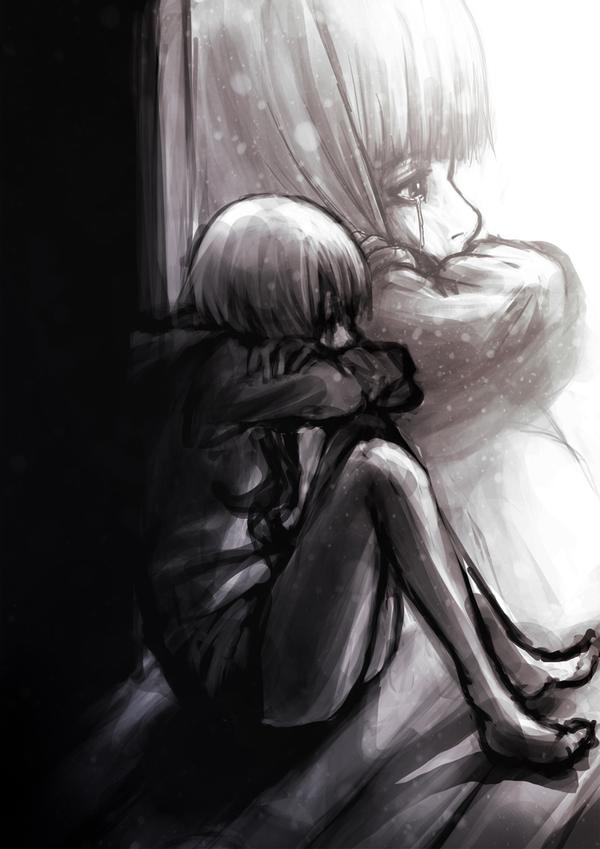
I don’t think people understand behind my smile and laughter is a lost soul searching for happiness…searching for a way out. My depression makes me feel numb, emotionless, confused & invisible. I’m not sure how else to explain it. I wish this feeling would go away.
!Before you read any further, this post does have a trigger warning!
I want to talk about suicide. This is a hard, sensitive subject to talk about. As a mental health advocate, I want to end the stigma and be more open about my struggle. It started at the age of 13 when I thought about ending my life after my mother passed away from cancer. I still struggle with it and its been a constant battle. When I talk to people about my thoughts they look at me as an attention seeker…that’s not the case. I want them to know I’m talking to them because my thoughts are so dark…I’m crying out for help. I want to escape from my pain. Not technically leave this earth if that makes sense. I try so hard not to have those kind of thoughts and it hasn’t been easy. I know that I have a purpose here on earth, I want to use my story to inspire and help people.
Always remember you are strong brave and you are not alone. Keep fighting, don’t give up. WE will get through this together.
My thoughts in my head are so loud. I can’t think, focus, or function because they won’t quiet down. These pass few weeks has been weird. I have become more distant, angry, irritated, and not caring about anything. My energy is low, my vibe is off and people are staring to notice. The question I get asked is “Are you okay?” I reply back with a smile on my face “Yes! I’m good.” Of course I’m not telling the truth. I’m telling people I’m good, everything is going great but my thoughts are so loud…screaming at me “You are not okay! You are a hot mess!” Haha Is that true!? Am I a hot mess? The more I start to listen to those thoughts, the more I start to believe it. UGH! I just want to escape…escape from my loud thoughts.
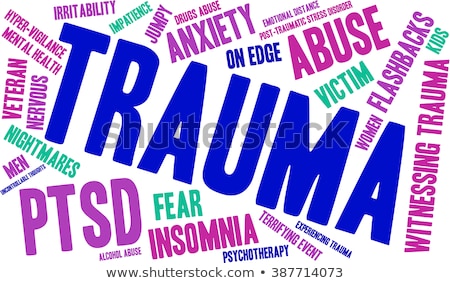
Hello everyone, welcome back to my blog. I want to talk about trauma. I know it can be a subject that people don’t like to discuss. I use to be that way but, I think talking about it is part of our healing process. I want to share some information about about different types of trauma, coping strategies and more detail about trauma.
Trauma is a deeply disturbing or threatening event. It is normal to feel distressed and overwhelmed. Response to trauma may be embodied by an acute stress reaction. Which is a short lived condition that develops following a traumatic event.
Signs of Trauma
Anxiety of fear of danger to self or loved ones, being alone, being in other frightening situation, having a similar event happen again.
Avoidance of situations or thoughts that remind you of the traumatic event.
Flashbacks where images of the traumatic event come into your mind suddenly for no apparent reason, or where you mentally re-experience the event.
Anger or irritability at what has happened, at the senselessness of it all, at what caused the event to happen, often asking “Why me?”
Acute Stress Reactions
Being agitated or over-active, anxiety symptoms, feeling disorientated and feeling depressed.
P.T.S.D
Nightmares about the trauma and disturbed sleep.
Avoiding things, thoughts and feeling that reminds you of the traumatic event.
Withdrawal from your friends and family.
Having depressed or irritable moody and getting angry easily.
Coping with symptoms of trauma
If you feel uncomfortable, scared, or anxious, take some long, slow breathes and remind yourself that you are safe, and that the trauma is over.
Make sure that you are doing things that are relaxing and enjoyable, be kind to yourself.
Make sure you are with people. Don’t go home to an empty house, ask a friend or relative to stay with you.
Their are three types of trauma, acute, chronic, or complex. Acute trauma results comes from a single incident. Chronic trauma is repeated and prolonged such as domestic violence or abuse. Complex trauma is exposure to varied and multiple traumatic events, often of an invasive interpersonal nature.
Psychological Trauma is considered a mental trauma. It is a damage to the mind that occurs as a result of a distressing event.
Initial reactions to trauma can include exhaustion, confusion, sadness, anxiety, agitation, numbness, dissociation, confusion, physical arousal, and blunted affect most responses are normal in that they affect most survivors and are socially acceptable, psychologically effective and self-limited.
After my mother died from cancer when I was 12 years old, I felt like my whole world got turned upside down. Dealing with trauma affected me mentally because I was young and didn’t understand what was going on in my life. As an adult its much harder for me now. I thought it would be best to take the steps of healing to help me mentally, emotionally, physically, and spiritually
I been dealing with anxiety and depression since I was 12 years old. As an adult I found some challenges in my journey of recovery. One thing I want to talk about is happiness.
You are probably wondering what does happiness have to do with my anxiety and depression disorder? In my opinion I think it has a lot to do with it because I been struggling with trying to be happy. What I mean by that is, my disorders makes me feel like I’m not allowed to be happy, I don’t deserve to be okay. If that makes sense. For a long time I been searching for happiness, not letting my depression and anxiety get to me but, its so hard to do that because the voice gets louder and louder “Yes, Chanel you do suffer from these disorders and dark thoughts so therefore you can’t be happy.” Its not true! I can’t let it take away my happiness & take over my thoughts. I need to dig deeper & figure out what brings me joy, what brings me happiness?
These couple of weeks has been overwhelming and emotional draining. From dealing with with people not understanding me and trying to cope with my mom’s anniversary of her passing. I have so much anger and frustration building up. I’m at the point of not knowing what to do. My energy is so off that my friends and family are starting to notice. I try my best to hide it but, sometimes it doesn’t work that way. I haven’t been feeling like myself and I think its best for me to escape for a while. (not isolate myself)I think its important to focus more on my mental health and try to figure out what is causing my thought process to be so negative.
Today makes nineteen years since God called you home. At the age of twelve I was so confused and didn’t understand what was happening. The only thing I did understand was you left and you wasn’t coming back. In my preteen and teenager years I really needed you. To talk to me about boys, how to be comfortable with myself and seeing me on prom night. Those types of moments I cried for you. As an adult its much harder because I haven’t accepted your passing and don’t know how to cope. I miss you on your birthday, your anniversary and don’t get me started on Mother’s Day. Its been the most difficult day for me since you died. I miss you so much and wish you were here with me. Sometimes I get so sad and angry and I start to ask God Why? Why me? Why my mother? Then I start to realize that he needed you and it was time for you to go. I remember you would look at the sky and say ” I’m ready to be with the lord.” As a child I never understood what you meant by that but now I do. You had cancer and it was making you sick and tired. Now you are in heaven looking fabulous and feeling better. I know you didn’t want to leave me, dad, Alexus and Bubba but, just know your kids turned out to be great adults and dad raised us well. God let me have you for twelve years…I’m grateful for that and I will continue to hold on to the memories that we shared close to my heart. I know you are not here in body but, you are with me in spirit, always and forever. I promise I will keep your legacy alive. This is not a day to be upset that you are not here but, a day to celebrate your life. You were here on earth for thirty-four years and you lived a great one. I love you and miss you so much.
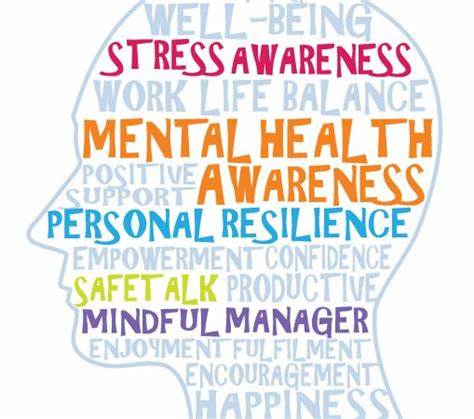
The workplace is the most important environment to discuss mental health and illness, yet people don’t talk about it. Employees are afraid of talking about with co-worker and bosses. They don’t want to lose their job and feel judged by their co-workers and learning about their illnesses. The stigma of mental illness keep them silent. About 85% of employee’s mental health conditions are not diagnosed or untreated. Mental health conditions cost employers more than $100 billion and 217 million lost work days each year.
The issue goes beyond making the workplace better. Here are more reasons why investing in mental health treatment and and discussing mental health in the workplace will benefit all of us and all parts of our lives:
Helping People Become Happier, Confident and more Productive
Let’s say an employee who has been diagnosed with a panic disorder. She’s working at the register at a retail store. Feeling overwhelmed with how busy it is and people are getting impatient with her because she’s new. The employee starts to have a panic attack during work. She runs to the bathroom crying. In an environment where she doesn’t feel comfortable about her panic disorder, the situation could become much worse. She might seek treatment, causing her performance to plummet. Her supervisor might consider firing her. To turn this situation around, the boss could recommend ways to cope with the panic disorder in the office. They could work together to create a plan that might allow the employee to improve her performance and become more valuable to the company. These results would improve her overall happiness and confidence.
Breaking the Stigma of Mental Illness
How would you feel going into work one morning and hearing a negative conversation about mental illness? I feel like no one talks about mental illness as if it doesn’t exist. At my previous jobs some of my co-workers didn’t have enough education to be sensitive. They accuse people of using mental illness as an excuse to be lazy or receive special treatment. When people wants to view their mental health issues in a positive way, they need encouragement and acceptance in all parts of their life. Inconsistencies or an absence of positive rhetoric in one environment can make it harder to fight the stigma of mental illness.
Less Stress and More Benefits to Bring Home
When people stress about their mental health problems at work, they bring that stress home. It then negatively impacts their life and relationships outside of work. Creating a working environment where people can openly discuss their mental health issues and treatment, can reduce the stress. This can improve people’s lives outside of work.
Decreasing Social Isolation and Making People Feel more Included
Employers can prevent isolation by encouraging employees with mental health issues to connect with other people who deal with similar issues. Creating an environment where people can discuss mental illness openly will negate this feeling of isolation.
Its time to break the stigma of mental illness in the workplace. Its good for employees and supervisors to have some education about mental health and a better understanding. Employees should feel comfortable talking about it and not feel judged by their co-workers.
Hello, my name is Chanel Alissa Rose. Today makes a year since I had this blog page. I don’t think I properly introduce myself. So, I thought it would be a great idea to give a short intro about why I decided to start a blog.
Let me start from the very beginning. I was at school talking to one of my friends about starting a blog about mental health. He told me I should share my journey because I will never know who I’ll inspire. At that time I wasn’t sure if I could do it but, him encouraging me gave me the motivation to give it a try. I wanted to start a blog to share my journey about mental health. I have a story to tell and I want to share it with the entire world. My blog page is a way I express my feelings and feel free and confident with myself. I hope my writing continues to help others. I want people to know that they are not alone and its okay to not to be okay.
I have connected with some amazing people on here and I am so blessed and honored for my followers. My blog has grown so much in a year and I feel grateful.
Recently, I had deleted Facebook from my phone and I spend limited time on my personal Instagram page. I know some people my think that having social media is not that bad but, for me it’s really mentally and physically exhausting. As I’m scrolling down my timeline on Facebook and Instagram. I find myself comparing my life to others. This may sound silly but sometimes I feel like the people have on social media their life is better than mine. Seeing certain post triggers my depression and anxiety. So I thought it would be best to take a break from social media and focus more on my mental health. I did some research about how can social media make a negative impact on people’s mental health.
I came across some important reasons how social media affects mental health…
Comparing yourself to others.
Certain post triggers you, causes depression and anxiety.
Exhausting.
Loneliness.
Self-harm.
Suicidal thoughts.
New research reveals how social media platforms like Facebook can affect your mental health. Studies have linked the use of social media to depression, anxiety, poorer sleep quality, lower self-esteem, inattention and hyperactivity often in teens and adolescents.
Negative Aspects:
Inadequacy about you life or appearance: Even if you know that images you’re viewing on social media are manipulated, they can still make you feel insecure about how you look or what’s going on in your own life.
Fear of missing out (FOMO): Social media sites such as Facebook and Instagram seem to exacerbate feelings that others are having more fun or living better lives that you are. The idea that you’re missing out on certain things can impact your self-esteem, trigger anxiety, and fuel even greater social media use.
Depression and anxiety: We need to face-to-face contact to be mentally healthy. Nothing reduces stress and boosts your mood faster or more effectively than eye-to eye contact with someone who cares about you. The more you prioritize social media interaction over in-person relationship, the more you’re at risk for developing or exacerbating mood disorders such as anxiety and depression.
Self-absorption: Sharing endless selfies and all your innermost thoughts on social media can create an unhealthy self-contentedness and distance you from real-life connections.
Excessive Social Media use can create a Negative, Self-Perpetuating Cycle:
When you feel lonely, depressed, anxious, or stressed. You use social media more often-as a way to relieve boredom or feel connected to others.
Using social media more often, though increases FOMO and feelings of inadequacy, dissatisfaction, and isolation.
In turn, these feelings negatively affect your mood and worsen symptoms of depression, anxiety, and stress.
These worsening symptoms causes you to use social media even more, and so the downward spiral continues.
Indicators that social media may be adversely affecting your mental health:
Spending more time on Social Media than with Real World Friends: Even if you’re out with friends, you still feel the need to constantly check social media, often driven by feelings that others may be having more fun than you.
Being distracted at school or work: You feel pressure to post regular content about yourself, get comments or likes on your posts, or respond quickly and enthusiastically to friends’ posts.
Its okay to have social media but, I try not to get lost in it. Meaning not spending so much of my time scrolling through Facebook or Instagram. When I feel like its affecting my mental health, I take a break or limit my time on social media. Its important to take some time to reflect and do some self-care.
Do you feel like social media is bad for mental health?














 The Road to Recovery