Laying on my bed, in my dark bedroom. Listening to the rain as it hit my window. The sound of the thunder and the sight of the lighting calms me down. I am tired of depression and anxiety taking up space in my brain. I try to ignore it, but the feeling is getting stronger. Tears rolling down my face because I can’t take it anymore. Feeling worthless and feeling suffocated of the darkness of depression…I feel afraid of giving into my horrible negative thoughts. I shut my eyes and I see a beautiful face with a gorgeous smile looking at me. She’s an angel, glowing like the bright yellow sun. She looks at me and say ” It will be okay” She hugged me and kiss me on the forehead. Before she left she told me “Continue to make me proud. Don’t give up. I love you my daughter.” I told her okay mom. I got this. I love you too. I opened my eyes and felt a feeling of peace.
The Diary of Depression and Anxiety
Where do I begin?
Battling depression and anxiety is overwhelming. Depression feels like a dark, rainy cloud hovering over me. A person following me telling me how worthless I am and nobody wants me here.
I was told that anxiety is suppose to keep me safe from harm and danger. But sometimes I feel like it keep me isolated from the things I want to do in my life.
The voices are so loud and scary. What can I do? Then a powerful voice of God tells me to pray. I say “Oh God!! Take this pain and dark thoughts away from me!” I keep talking to God and crying out to him. All of the sudden I feel his peace, love and protection. He let me know that he is aways with me to fight through this battle of depression and anxiety. I am strong enough to get through this. Philippians 4:13 says I can do all things through Christ who gives me strength.
Intergenerational Trauma


Intergenerational trauma is a concept developed to help explain years of generational challenges within families. It is the transmission (or sending down to younger generations) of the oppressive or traumatic effects of a historical event. Examples of intergenerational trauma are domestic violence, alcohol and drug addiction, child abuse and neglect refuges, and survivors of combat trauma and war related trauma. This type of trauma often goes unrecognized. This allows the cycle to continue. Common symptoms includes low self-esteem, depression , anxiety, insomnia, anger, and self-destructive behaviors. Sleep disturbances, substance abuse disorders, numbing and detachment, respiratory symptoms, and much affects a person. Children may experience difficult with attachment, disconnection from their extended families and culture and high levels of stress from family and community members who are dealing with the impacts of trauma. Breaking generational trauma is about building resilience through and loving communication between generations is one of the best ways to loosen generational trauma’s grip. Healing happens when family members speak up and work through any hurt, pain, or abuse from the past. Having an open and honest communication can open up channels of healing and foster resilience amidst family adversity. Children of trauma survivors must be willing to work through their family’s trauma in order to help break the cycle. If you’re working through intergenerational trauma connecting with a mental health professional can have benefits. A trauma informed therapist can help you begin to heal by : listening to your experiences and sharing insights into trauma responses.
Children’s Mental Health and Well-Being

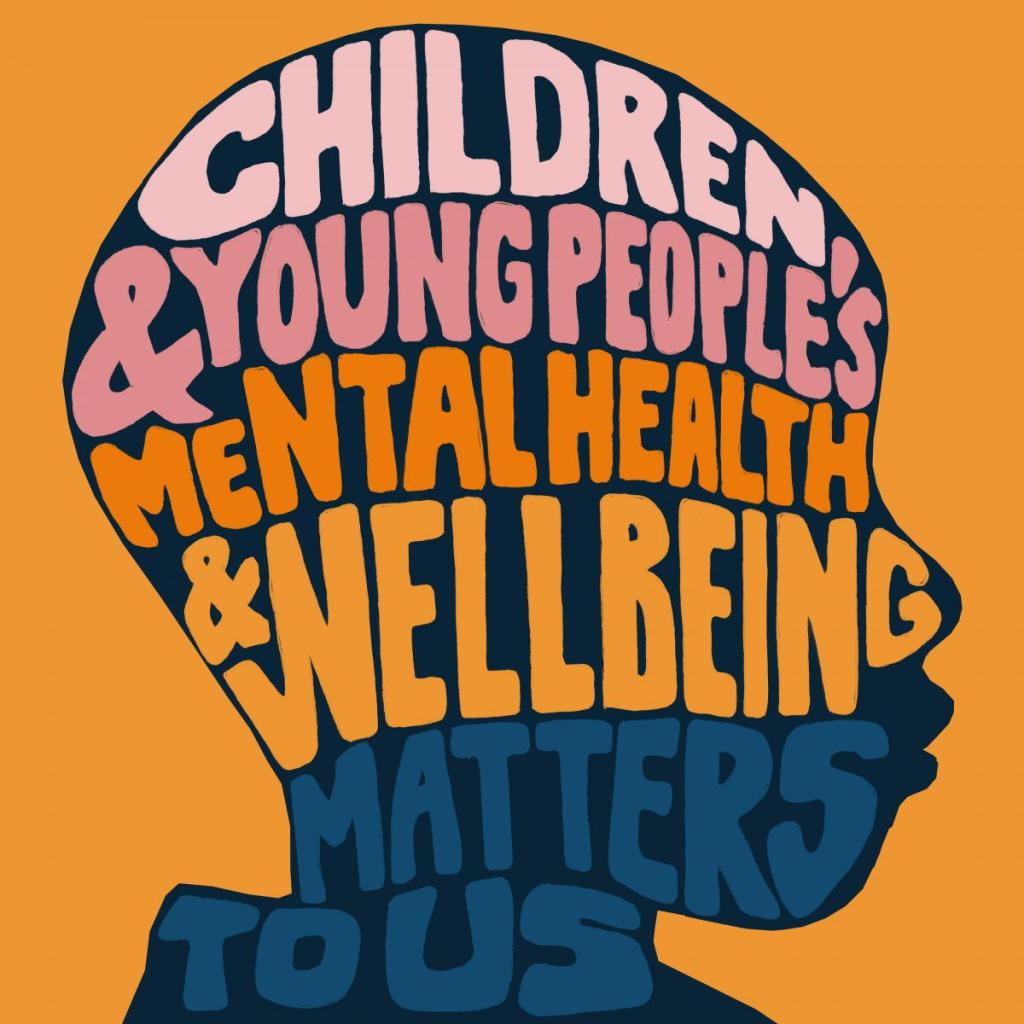
Mental health is the way children think and feel about themselves and the world around them. It affects how children cope with life’s challenges and stresses. Being mentally healthy during childhood means reaching development and emotional milestones and learning healthy social skills and how to cope when there are problems. Mentally healthy children have a positive quality of life and can function well at home, in school, and their communities. Health and well-being underpin and determine children’s responses to their environment, to people and to new experiences. Emotional well-being includes relationships, which are close, warm and supportive, and being able to express feelings such as joy, grief, frustration and fear.
Mental health disorders can affect classroom learning and social interactions, both of which are critical to the student’s success. However, if appropriate services are put in place to support young people’s mental health needs. We can often maximize success and minimize negative impacts for students. There is a clear connection between mental health and academic performance. Helping students make the most of their education is everyone’s goal. Students struggling with depression or other mental illnesses have a harder time feeling motivated, learning, concentrating, taking tests, etc. Children and adolescents who have mental health problems may have trouble learning. They may also have difficulty completing tasks and also more likely to have lower grades and take a leave of absence from school.
Mental health affects and development by helping children develop the resilience to cope with whatever life throws at them and grow into well-rounded, healthy adults. Things that can help keep children and young people mentally well includes: being in good physical health, eating a balanced diet and getting regular exercise. It will help them feel good about their lives and can function well at home, in school, and in their communities. When a child is mentally healthy, they are able to learn the skills needed to be successful in and out of school and can bounce back (cope) when they face problems.
Schools need to realize that teaching mental health is important. Teaching mental and physical health together leads to better outcomes for children and adolescents. Students’ mental health impacts many areas of their lives, including their relationships with other people and drugs and alcohol. Good mental health allows children to think clearly, develop socially and learn new skills. Additionally, good friends and encouraging words from adults all important for helping children develop self confidence, high self-esteem, and a healthy emotional outlook on life.
Mental Health Awareness Month (my mental health journey)

May is Mental Health Awareness Month. It was established in 1949 to increase awareness of the importance of mental health and wellness in Americans lives, and to celebrate recovery from mental illness. It also gives people the opportunity to share their mental health stories to inspire people to talk about it and educate others.
About five years ago I was diagnosed with Generalized Anxiety Disorder and Major Depressive Disorder. My mental health journey is quite interesting and difficult to talk about. I lost my mother to stomach cancer about twenty years ago. I was only 12 years old, a brokenhearted lost little girl. I didn’t know how I was going to move forward in life without her. In my middle to late twenties, I was in a dark place mentally. I would drink alcohol heavily everyday to numb my pain of depression and anxiety. It even got to the point that I would self-harm to feel better. I didn’t want to think of the traumatic experience of my childhood. I felt like if everybody in my life left me that would be fine with me because I had my bottle of alcohol (my best friend) and I’ll be okay. I kept drinking until my 30th birthday, that’s when things took a turn for the worse. I won’t go into details, but I woke up the next day not remembering anything that happened the night before. That incident made me realize that I needed to change my life around. With the help of my friend, I went into therapy and it great. It felt refreshing expressing my feelings about my childhood trauma. I threw away all my alcohol and started journaling, reading books about self-growth and mental health and I continued going to therapy. This year in October will be four years of me being sober! I have been thorough so much in my life. With my friends and family supporting me and God protecting me, I wouldn’t be alive. I still have my days when I struggle with my mental health, but I use positive coping strategies to get through my bad days. I hope this story inspires someone that they can get through anything, and they are stronger than their mental illness. You are not alone, and you have the love and support within the mental health community.
Polycystic Ovary Syndrome


The months of September is Polycystic Ovary Syndrome Awareness month. Most women are not aware of PCOS. I want to share some information about the common symptoms, the main causes, and my journey with PCOS.
PCOS known as Polycystic Ovary Syndrome is a hormonal disorder common among women of reproductive age. The ovaries may develop numerous small collections of fluid (follicles and fail to regularly release eggs).
The main cause is a higher-than-normal levels of certain hormones, called androgens. The ovaries produced hormones, which are chemicals that control functions in the body. Other causes includes excess insulin, low-grade inflammation, heredity, and excess androgen.
- Insulin is the hormone produced in the pancreas that allows cells to use sugar, your body’s primer energy supply.
- used to describe white blood cells production of substance to fight infection.
- Research suggest that certain genes might be linked to PCOS
- The ovaries produce abnormally high levels of androgen, resulting in hirsutism and acne.
How do you know if you have PCOS:
-Irregular periods
-Higher levels of male hormone shown in blood test.
-Cysts in your ovaries shown in an ultrasound exam.
There is no cure and does not go away on its own. Even after menopause, women often continue to have high levels of androgens as well as insulin resistance. Its good to have regular check ups with your OBGYN. The doctor will provide medicine to help maintain PCOS. It is important to have a healthy diet and workout three to four times a week.
My journey with PCOS has been an emotional roller-coaster. I was diagnose about four years ago. I went in to the OBGYN because I thought I was pregnant. That is when they told me I had PCOS. I was not happy with the results. My weight goes up and down and body hair in unwanted places. I hid it from other people because I feel misunderstood. Fast forward to this years, my husband and I have been married for 11 years. We decided to do IVF. I am looking forward to what the future holds for us. I pray that everything goes well.
Antisocial Personality Disorder

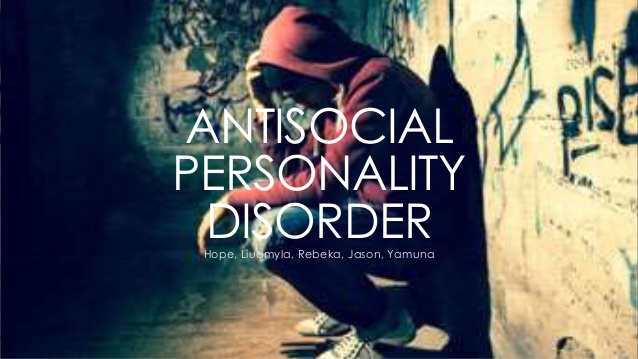
An Antisocial Personality Disorder, sometimes called sociopathy, is a mental disorder in which a person consistently shows no regard for right and wrong and ignores the rights and feelings of others.
Symptoms:
-Disregard for right and wrong.
-Persistent lying or deceit to exploit others.
-Being callous, cynical and disrespectful of others.
-Using charm or wit to manipulate others for personal gain or personal pleasure.
Causes:
Personality is the combination of thoughts, emotions and behaviors that makes everyone unique. The exact causes of antisocial personality disorder isn’t known, but:
-Genes may make people vulnerable to developing antisocial personality disorder and life situations may trigger its development.
-Changes in the way the brain functions may have resulted during brain development.
Risk:
Certain factors seem to increase the risk of developing antisocial personality disorder such as,
-Diagnosis of childhood conduct disorder.
-Family history of antisocial personality disorder or other personality disorders or mental health disorders/
-Being subjected to abuse or neglect during childhood.
-Unstable, violent or chaotic family life during childhood.
Complications:
-Spouse abuse or child abuse or neglect.
-Problems with alcohol or substances use
-Being in jail or prison.
-Having other mental health disorders such as depression or anxiety.
Prevention:
There’s no sure way to prevent antisocial personality disorder from developing in those at risk. Because antisocial behavior is thought to have its roots in childhood, parents, teachers and pediatricians may be able to spot early warning signs.
Diagnosis:
People with antisocial personality disorder may not provide an accurate account of signs and symptoms.
Diagnosis of antisocial personality disorder is typically based on:
-A pychological evaluation that explores thoughts, feelings, relationship, behavior patterns and family history.
-Personal and medical history
Treatment:
Psychotherapy: Also called talk therapy, is sometimes used to treat antisocial personality disorder. This therapy may include anger, and violence management, treatment for alcohol or substance misuse, and treatment for other mental conditions.
Medications: Doctors may prescribe medications for conditions sometimes associated with antisocial personality disorders, such as anxiety or depression, or for symptoms of aggression.
EMDR Therapy

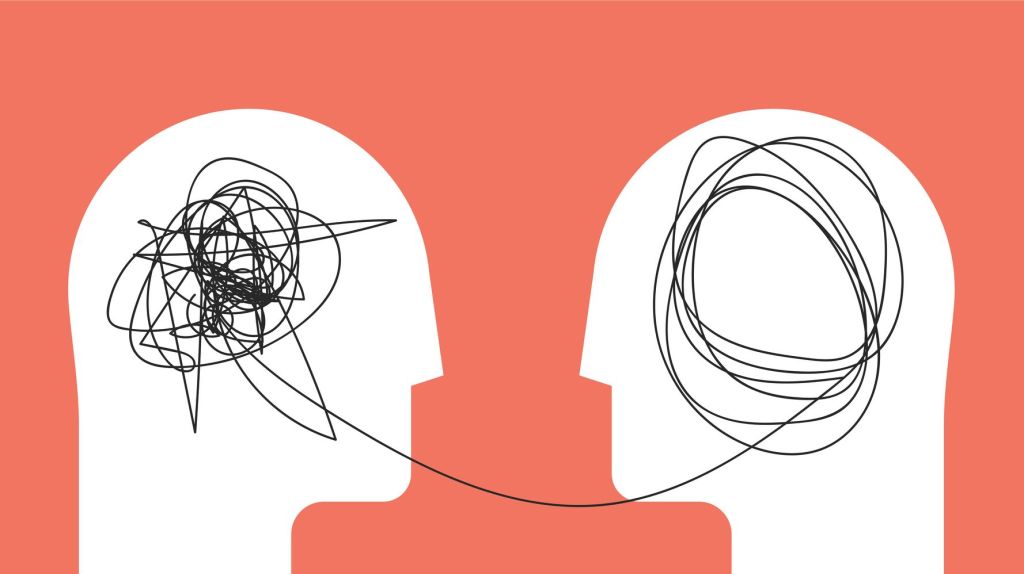
Eye Movement Desensitization and Reprocessing known as EMDR is a phased, focused approach to treating traumatic and other symptoms. It helps by reconnecting the client in a safe and measured way to the images, self-thoughts, emotions, and body sensations associated with the trauma, and allowing the natural healing powers of the brian to move toward adaptive resolution.
EMDR is an eight-phase treatment method. History taking, client preparation, assessment, desensitization, installation, body scan, closure and reevaluation of treatment effect are the eight phases of this treatment which are briefly described. A case report is also depicted which indicates the efficacy of EMDR.
This is performed by approaching psychological issues in an unusual way. It does not rely on talk therapy or medications. Instead, EMDR uses a patient’s own rapid, rhythmic eye movements. These eye movements dampen the power of emotionally charged memories of past traumatic events.
I am currently doing EMDR with my therapist. It does get intense, depending on what traumatic events has happen in my life. Doing EMDR is my way of healing and getting touch with my emotions.
A Letter to my Depression and Anxiety


Dear Depression and Anxiety,
(sigh) Where do I start? You two make me overwhelm, emotional and stressful. My brain can’t handle being scared and sad at the same time. Everyday I feel like its a battle trying to find peace so I can get through the day.
Depression, you make me feel like everyone is against me. You remind me of my childhood trauma of the hurt and pain from losing my mom from cancer. Most time you give me the feeling that nobody wants to be in my life and I’m a complete failure.
Anxiety, you make me scared of everything that I want to do. You keep me in a small box to make me feel safe. I feel like I can’t be myself with you around.
Having you both in my head it too much for me. I want to be free.
Obsessive Compulsive Disorder

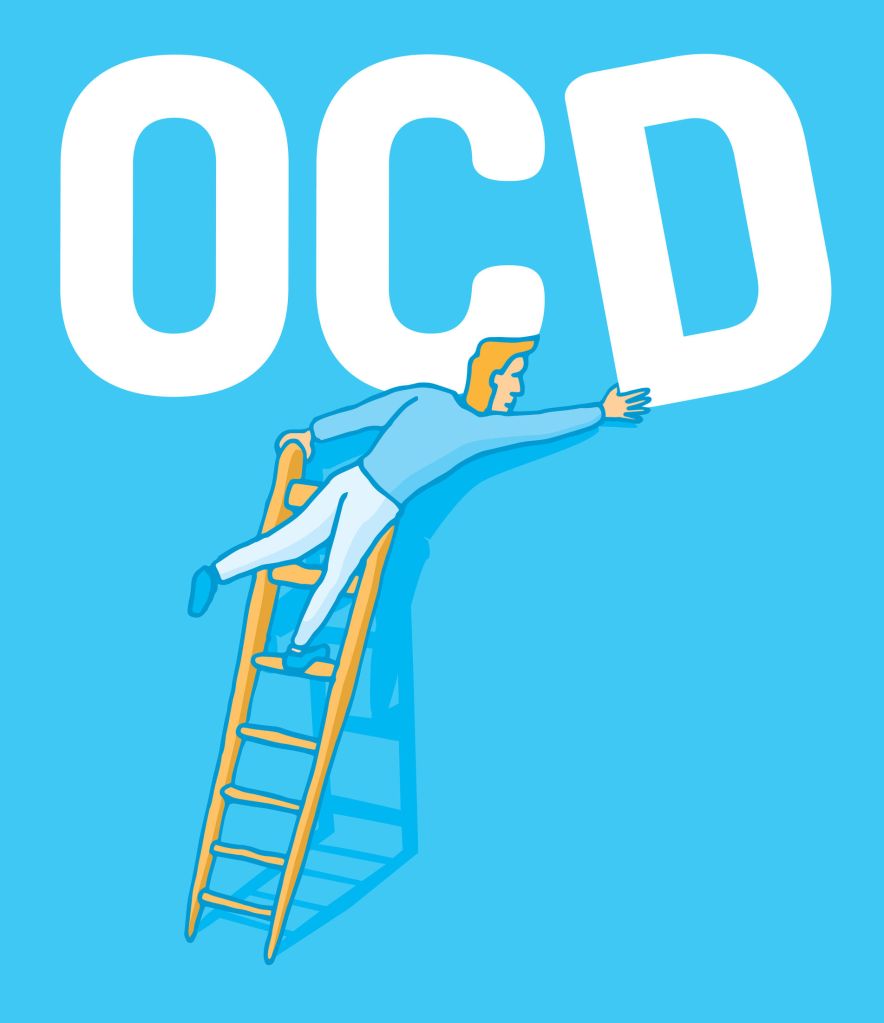
Obsessive-Compulsive Disorder (OCD) is a disorder in which people have recurring, unwanted thoughts, ideas or sensations (obsession’s that make them feel driven to do something repetitively compulsions).
Different types of OCD
There are no official classification or subtypes of OCD. Research suggests people experience OCD Symptoms in four main categories: cleaning and contamination, symmetry and ordering, forbidden, harmful, or taboo thoughts and impulses.
Cleaning and Contamination: Contamination OCD is a common OCD subtypes in which a person obsesses over contracting an illness or spreading germs.
Symmetry and Ordering: In OCD, symmetry obsessions are characterized by the need for things to be perfect, exact or “just right,” symmetrical, or correctly aligned, and related compulsions include ordering and arranging, evening up or aligning things and touching or tapping.
Forbidden and Harmful: People with OCD characterized by forbidden thoughts may intrusive thoughts that are often violent or sexual in nature.
Taboo thoughts and impulses: Unacceptable or taboo thoughts in OCD include sexual aggressive, and religious obsessions. It appears that individuals with this type of primary OCD experience more obsession’s and fewer overt compulsions, and thus, may take longer to treat.
OCD Symptoms
OCD often centers on themes such as fear of germs or the need to arrange objects in a specific manner. Symptoms usually begin gradually and vary throughout life.
What Causes OCD
Compulsions are learned behaviors, which become repetitive and habitual when they are associated with relief from anxiety. OCD is due to genetic and hereditary factors. Chemical, structural and functional abnormalities in the brain.
Treatment for OCD
Support Group
Cognitive Behavioral Therapy
Aversion Therapy
Psychoeducation
Rational Emotive Behavior Therapy
Exposure and Response Prevention
Psychotherapy
Systematic Desensitization
Group Psychotherapy
How does OCD affect Peoples Mental Health
People with OCD may have symptoms of obsessions, compulsions, or both. These symptoms can interfere with all aspects of life, such as work, school, and personal relationships. Obsessions are repeated thoughts, urges, or mental images that cause anxiety.
 The Road to Recovery