
Antisocial Personality Disorder

An Antisocial Personality Disorder, sometimes called sociopathy, is a mental disorder in which a person consistently shows no regard for right and wrong and ignores the rights and feelings of others.

Symptoms:

-Disregard for right and wrong.

-Persistent lying or deceit to exploit others.

-Being callous, cynical and disrespectful of others.

-Using charm or wit to manipulate others for personal gain or personal pleasure.

Causes:

Personality is the combination of thoughts, emotions and behaviors that makes everyone unique. The exact causes of antisocial personality disorder isn’t known, but:

-Genes may make people vulnerable to developing antisocial personality disorder and life situations may trigger its development.

-Changes in the way the brain functions may have resulted during brain development.

Risk:

Certain factors seem to increase the risk of developing antisocial personality disorder such as,

-Diagnosis of childhood conduct disorder.

-Family history of antisocial personality disorder or other personality disorders or mental health disorders/

-Being subjected to abuse or neglect during childhood.

-Unstable, violent or chaotic family life during childhood.

Complications:

-Spouse abuse or child abuse or neglect.

-Problems with alcohol or substances use

-Being in jail or prison.

-Having other mental health disorders such as depression or anxiety.

Prevention:

There’s no sure way to prevent antisocial personality disorder from developing in those at risk. Because antisocial behavior is thought to have its roots in childhood, parents, teachers and pediatricians may be able to spot early warning signs.

Diagnosis:

People with antisocial personality disorder may not provide an accurate account of signs and symptoms.

Diagnosis of antisocial personality disorder is typically based on:

-A pychological evaluation that explores thoughts, feelings, relationship, behavior patterns and family history.

-Personal and medical history

Treatment:

Psychotherapy: Also called talk therapy, is sometimes used to treat antisocial personality disorder. This therapy may include anger, and violence management, treatment for alcohol or substance misuse, and treatment for other mental conditions.

Medications: Doctors may prescribe medications for conditions sometimes associated with antisocial personality disorders, such as anxiety or depression, or for symptoms of aggression.


Sleep Hygiene with Mental Health

Sleep hygiene are habits and practices that are conductive to a sleeping well on a regular basis. It is also defined as behaviors that one can sleep using behavioral interventions. Establishing and practicing good sleep hygiene throughout the day impacts both the quality and quantity of sleep you get each night. Poor sleep is linked with the onset of mental health difficulties as well as the worsening of current symptoms. Poor sleep also impacts our ability to think clearly, remember things, and learn new information.

Tips for Sleep Hygiene

Regular sleep and wake times: Having a set time that you go to sleep and wake up puts your body into a rhythm. Its best to keep times the same on weekends too.

Avoid nicotine, caffeine, and alcohol: Nicotine and caffeine (found in coffee, tea, coke, chocolate) act as stimulants that make it more difficult to fall asleep.

Bed is only for sleep: To help your body form an association between bed and sleeping, avoid doing activities such as watching tv, using your computer or phone, or eating, while in bed.

Avoid daytime naps: To ensure you are tired enough to sleep at bed time, try not to sleep during the day. If you need a nap, make sure it’s for less than an hour and before 3p.m.

The right sleep environment: Create a space that is conductive to sleep. A cool room with enough blakets to stay warm. Noise level (keep things quiet by using earplugs).

Warm bath or shower: Having a hot bath or shower 1-2 hours before bed allows you to become sleepy as your body cools down.

Develop a bedtime routine: Performing a consistent ritual every night before bed reminds your body that its time to slow down.

Limit screen time: Its a good idea to stop using your computer, tablet, phone, or watching tv at least 30 minutes before bed.

Exercise: Exercising during the day can help to reduce restlessness in the evening.

EMDR Therapy

Eye Movement Desensitization and Reprocessing known as EMDR is a phased, focused approach to treating traumatic and other symptoms. It helps by reconnecting the client in a safe and measured way to the images, self-thoughts, emotions, and body sensations associated with the trauma, and allowing the natural healing powers of the brian to move toward adaptive resolution.

EMDR is an eight-phase treatment method. History taking, client preparation, assessment, desensitization, installation, body scan, closure and reevaluation of treatment effect are the eight phases of this treatment which are briefly described. A case report is also depicted which indicates the efficacy of EMDR.

This is performed by approaching psychological issues in an unusual way. It does not rely on talk therapy or medications. Instead, EMDR uses a patient’s own rapid, rhythmic eye movements. These eye movements dampen the power of emotionally charged memories of past traumatic events.

I am currently doing EMDR with my therapist. It does get intense, depending on what traumatic events has happen in my life. Doing EMDR is my way of healing and getting touch with my emotions.

Schizophrenia

Schizophrenia is a disorder that affects a person’s ability to think, feel, and begave clearly. Its a long-term mental disorder of a type involving a breakdown in the relation between thought, emotion, and behavior, leading to faulty perception, inappropriate actions and feelings, withdrawal from reality and personal relationships into fantasy and delusion, and a sense of mental fragmentation.

Symptoms:

Delusions: These are false beliefs that are not based in reality.

Hallucinations: These usually involve seeing or hearing things that don’t exist.

Disorganized thinking (speech): Disorganized thinking is inferred from disorganized speech.

Extremely disorganized or abnormal motor behavior.

Negative symptoms.

The exact causes of schizophrenia are unknown. Research suggests a combination of psychical, genetic, and environmental factors can make a person more likely to develop the condition some people may be prone to schizophrenia, and a stressful or emotional life event might trigger a psychotic episode.

Schizophrenia affects men and women equally. It occurs at similar rates in all ethnic groups around the world. Symptoms such as hallucinations and delusions usually start between ages 16 and 30. Men tend to experience symptoms earlier than women.

Different types of Schizophrenia:

Paranoid

Hebephrenic

Catatonic

Undifferentiated

Simple

Unspecified

Treatment is usually lifelong and often involves a combination of medications, psychotherapy, and coordinated specialty care services.

Schizophrenia is associated with changes in the structure and functioning of a number of key brain system, including prefrontal and medial temporal lobe regions involved in working memory and declarative memory, respectively.

It is a highly stigmatized and misunderstood condition. This stigma can make an already difficult life harder for those with Schizophrenia by lowering their quality of life and interfering with their ability to get a job or the treatment they need

A Letter to my Depression and Anxiety

Having a Depression and an Anxiety Disorder is overwhelming.

Dear Depression and Anxiety,

(sigh) Where do I start? You two make me overwhelm, emotional and stressful. My brain can’t handle being scared and sad at the same time. Everyday I feel like its a battle trying to find peace so I can get through the day.

Depression, you make me feel like everyone is against me. You remind me of my childhood trauma of the hurt and pain from losing my mom from cancer. Most time you give me the feeling that nobody wants to be in my life and I’m a complete failure.

Anxiety, you make me scared of everything that I want to do. You keep me in a small box to make me feel safe. I feel like I can’t be myself with you around.

Having you both in my head it too much for me. I want to be free.

Reconnect with Myself

About a month ago, I graduated from college with an associates degree in psychology. I spent three years of studying and working hard. Now that I have my degree…What’s next? Instead of taking a summer class like I had planned, I decided to take a break. I need to reconnect with myself. I want to spend more time with myself by doing things that makes me happy. Its time for me to recharge and focus on my mental health. I’m learning that I need to be here for me and love myself more. As I’m going through my healing journey, I’m starting to realize its okay to spend some time alone and take care of myself.

Grounding Techniques for Mental Health

Breathe Deeply: Slowly inhale, then, exhale. If it helps, you can say or think “in” and “out” breath filling your lungs and note how it feels to push it out.

Move your Body: Do exercises or stretches. Yoga or walking.

Picture the Voice or Face of Someone you Love: If you feel upset or distressed, visualize someone positive in your life. Imagine their face or think of what their voice sounds like. Imagine them telling you that the moment is tough, but that you’ll get through it.

Practice self-kindness: Repeat kind, compassionate phrases to yourself:

“You’re having a rough time, but you’ll make it through.”

“You’re strong, and you can move through this pain.”

“You’re trying hard, and you’re doing your best.”

Say it, either aloud or in your head, as many times you need.

Listen to Music: Put on your favorite song, but pretend you’re listening to it for the first time. Focus on the melody and lyrics (if there are any). Does the song give you chills or create any other physical sensations? Pay attention to the parts that stand out to most of you.

Plan an Activity: This might be something you do alone or with a friend or loved one. Think of what you’ll do and when. Maybe you’ll go to dinner, take a walk on the beach, see a movie you’ve been looking forward to, or visit a museum. Focus on the details, such as what you’ll wear, when you’ll go, and how you’ll get there.

Obsessive Compulsive Disorder

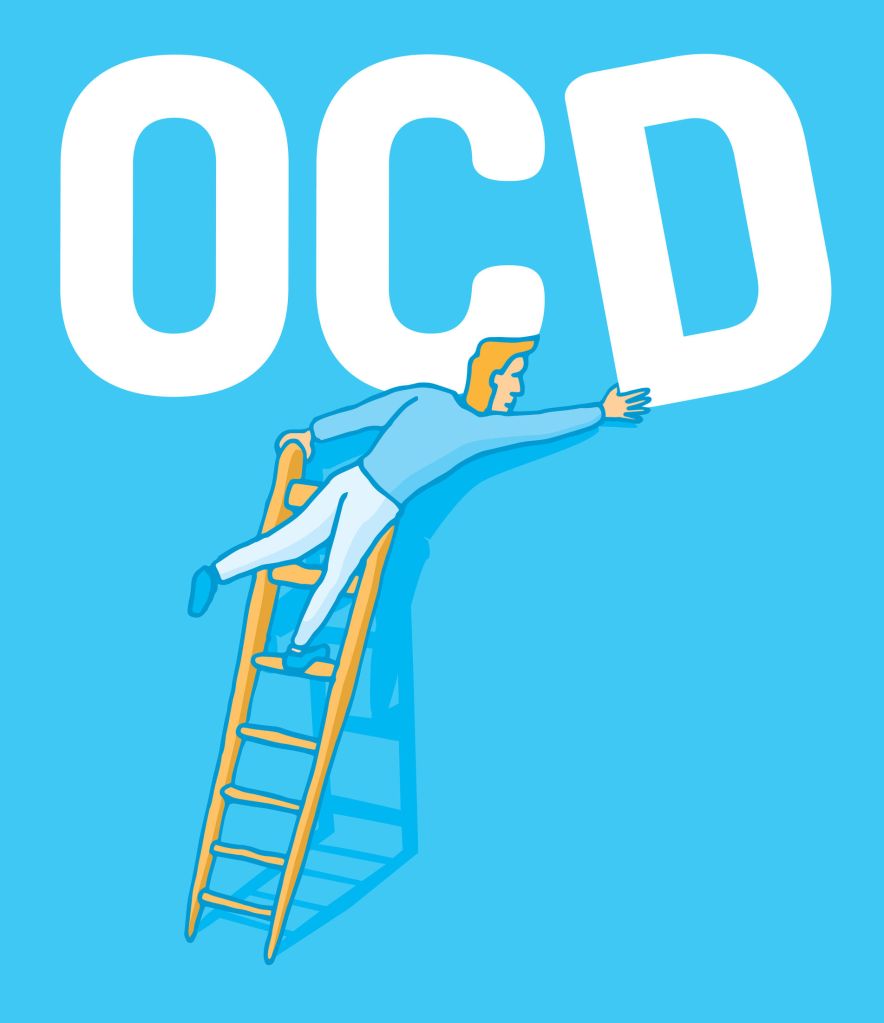
Obsessive-Compulsive Disorder (OCD) is a disorder in which people have recurring, unwanted thoughts, ideas or sensations (obsession’s that make them feel driven to do something repetitively compulsions).

Different types of OCD

There are no official classification or subtypes of OCD. Research suggests people experience OCD Symptoms in four main categories: cleaning and contamination, symmetry and ordering, forbidden, harmful, or taboo thoughts and impulses.

Cleaning and Contamination: Contamination OCD is a common OCD subtypes in which a person obsesses over contracting an illness or spreading germs.

Symmetry and Ordering: In OCD, symmetry obsessions are characterized by the need for things to be perfect, exact or “just right,” symmetrical, or correctly aligned, and related compulsions include ordering and arranging, evening up or aligning things and touching or tapping.

Forbidden and Harmful: People with OCD characterized by forbidden thoughts may intrusive thoughts that are often violent or sexual in nature.

Taboo thoughts and impulses: Unacceptable or taboo thoughts in OCD include sexual aggressive, and religious obsessions. It appears that individuals with this type of primary OCD experience more obsession’s and fewer overt compulsions, and thus, may take longer to treat.

OCD Symptoms

OCD often centers on themes such as fear of germs or the need to arrange objects in a specific manner. Symptoms usually begin gradually and vary throughout life.

What Causes OCD

Compulsions are learned behaviors, which become repetitive and habitual when they are associated with relief from anxiety. OCD is due to genetic and hereditary factors. Chemical, structural and functional abnormalities in the brain.

Treatment for OCD

Support Group

Cognitive Behavioral Therapy

Aversion Therapy

Psychoeducation

Rational Emotive Behavior Therapy

Exposure and Response Prevention

Psychotherapy

Systematic Desensitization

Group Psychotherapy

How does OCD affect Peoples Mental Health

People with OCD may have symptoms of obsessions, compulsions, or both. These symptoms can interfere with all aspects of life, such as work, school, and personal relationships. Obsessions are repeated thoughts, urges, or mental images that cause anxiety.

Self-Care Tips for Bad Days

Be gentle to yourself.

Unplug

Some periods of growth are so confusing that you don’t even recognize that growth is happening. You feel depressed with the process of change with anxiety and all negative energy creeping in. On days when surviving and thriving seems like a chore, unplug and take a step back.

Be Thankful

Practice gratitude- Transformation can be painful. Know that you are not falling apart you are falling into something different with a new capacity to be beautiful so be thankful always for every level.

Say Positive Affirmations

The words you speak to yourself live in your heart, in your mind and in your bones. Speak gently, speak kindly, speak as if the words you are saying will find their home within you, because they will, they are, they do.

Sit up Straight

Abundance is realizing that you can always start new, start fresh, start with new dreams, with new words, with new intentions, with new ecstasies, with new victories and with new stories.

Take a Hot Bath

Indulge in hot baths and wash the day off; and oil massage, soft smells and clothes with soft texture are the best combo after taking a hot bath.

Decluttering your Mental Space

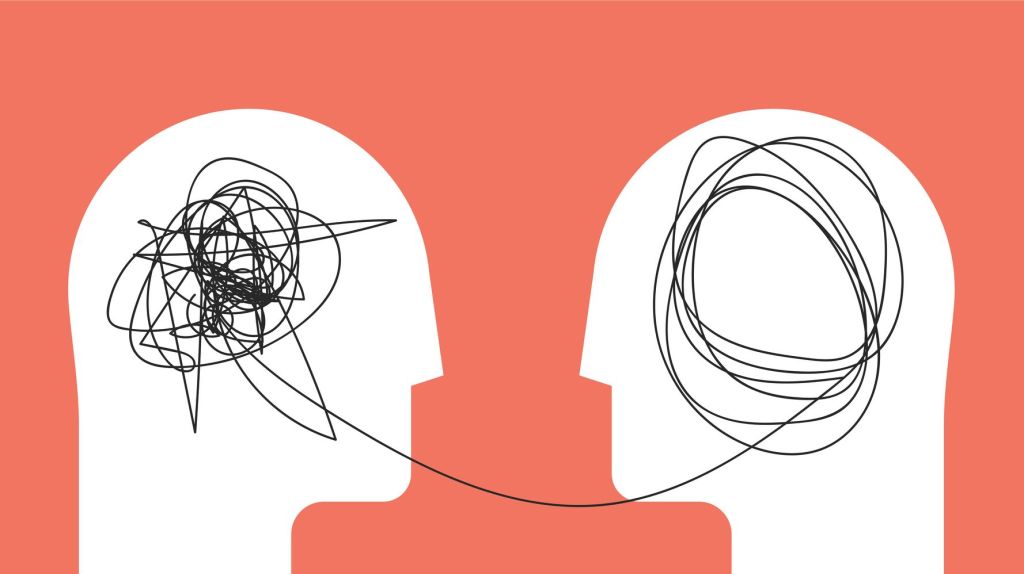
It’s important to clear your mind.

Decluttering your mental space means to remove unnecessary items, and to declutter your mind means to remove unnecessary thoughts from your mind. Thoughts that just add noise and stop you from thinking clearly.

Mental clutter can include worrying about the future, ruminating about the past, keeping a mental to-do list, complaints, and so on.

It refers to times when our mind has too many thoughts which makes it difficult to process and focus. It hinders our productivity, balance and even our mental health. Clutter can affect the anxiety levels and sleep.

6 Ways to Declutter your Mind and Free up Mental Space

Declutter your Physical Environment

Physical clutter leads to mental clutter. The clutter bombards the mind with excessive stimuli, which forces the brain to work over time. As you declutter your physical space you will discover that your mind is also decluttered.

Write it Down

You don’t have to keep everything stored in your brain. Having a planner to write down important information is a good idea to help you remember. This can include appointments, work schedules, school assignments,. and so on.

Keep a Journal

Keeping a journal is similar to previous point, “write it down,” but with more depth. A journal allows you to let go the inner chatter that’s constantly interrupting your thought process when you’re trying to get important things done. Writing down your emotions is a way to express yourself and letting go the pain and hurt that keep bottled up in your mind.

Let go of the Past

Mind clutter is often related to the past. Most people keep a large cabinet of mental drawers stored in the back of their minds. These drawers are filled with mistakes they’ve made, missed opportunities, people they’ve hurt, past grievances, and son on.

Prioritize

Nothing creates as much brain clutter as an endless to-do list. Accept that you can’t do it all, and choose to focus on the things which are most important to you. Make a short list of your top priorities, and make sure that the bulk of your brain space is devoted to the things on that list.

Learn to Meditate

In essence, meditation is learning to focus the mind completely on the present moment. When you learn how to place all your attention on one things-such as your breath-all other thoughts disappear.

The link is provided below for more information:

Ten Ways to Declutter Your Mind and Free Up Mental Space

Blog at WordPress.com.

Up ↑

Design a site like this with WordPress.com
Get started