Intergenerational Trauma

Intergenerational trauma is a concept developed to help explain years of generational challenges within families. It is the transmission (or sending down to younger generations) of the oppressive or traumatic effects of a historical event. Examples of intergenerational trauma are domestic violence, alcohol and drug addiction, child abuse and neglect refuges, and survivors of combat trauma and war related trauma. This type of trauma often goes unrecognized. This allows the cycle to continue. Common symptoms includes low self-esteem, depression , anxiety, insomnia, anger, and self-destructive behaviors. Sleep disturbances, substance abuse disorders, numbing and detachment, respiratory symptoms, and much affects a person. Children may experience difficult with attachment, disconnection from their extended families and culture and high levels of stress from family and community members who are dealing with the impacts of trauma. Breaking generational trauma is about building resilience through and loving communication between generations is one of the best ways to loosen generational trauma’s grip. Healing happens when family members speak up and work through any hurt, pain, or abuse from the past. Having an open and honest communication can open up channels of healing and foster resilience amidst family adversity. Children of trauma survivors must be willing to work through their family’s trauma in order to help break the cycle. If you’re working through intergenerational trauma connecting with a mental health professional can have benefits. A trauma informed therapist can help you begin to heal by : listening to your experiences and sharing insights into trauma responses.

Children’s Mental Health and Well-Being

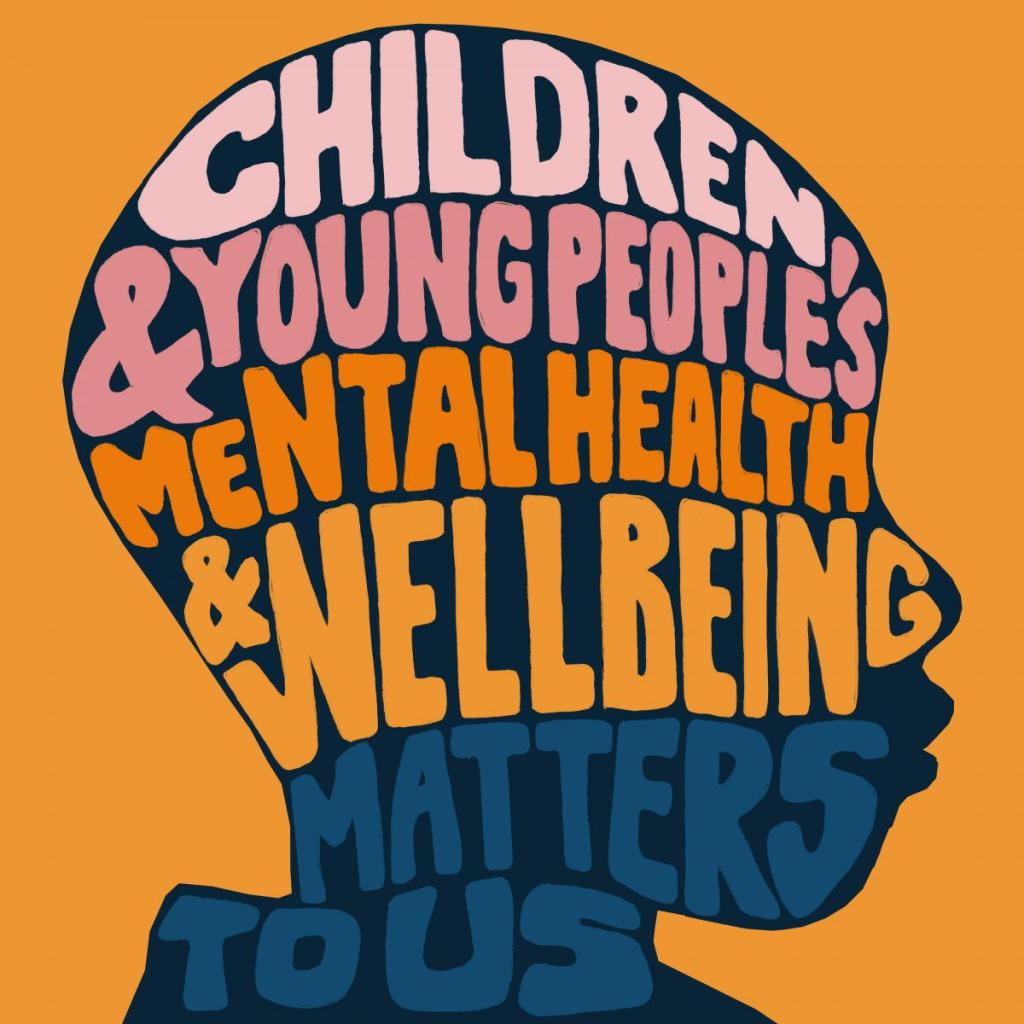
Mental health is the way children think and feel about themselves and the world around them. It affects how children cope with life’s challenges and stresses. Being mentally healthy during childhood means reaching development and emotional milestones and learning healthy social skills and how to cope when there are problems. Mentally healthy children have a positive quality of life and can function well at home, in school, and their communities. Health and well-being underpin and determine children’s responses to their environment, to people and to new experiences. Emotional well-being includes relationships, which are close, warm and supportive, and being able to express feelings such as joy, grief, frustration and fear.

Mental health disorders can affect classroom learning and social interactions, both of which are critical to the student’s success. However, if appropriate services are put in place to support young people’s mental health needs. We can often maximize success and minimize negative impacts for students. There is a clear connection between mental health and academic performance. Helping students make the most of their education is everyone’s goal. Students struggling with depression or other mental illnesses have a harder time feeling motivated, learning, concentrating, taking tests, etc. Children and adolescents who have mental health problems may have trouble learning. They may also have difficulty completing tasks and also more likely to have lower grades and take a leave of absence from school.

Mental health affects and development by helping children develop the resilience to cope with whatever life throws at them and grow into well-rounded, healthy adults. Things that can help keep children and young people mentally well includes: being in good physical health, eating a balanced diet and getting regular exercise. It will help them feel good about their lives and can function well at home, in school, and in their communities. When a child is mentally healthy, they are able to learn the skills needed to be successful in and out of school and can bounce back (cope) when they face problems.

Schools need to realize that teaching mental health is important. Teaching mental and physical health together leads to better outcomes for children and adolescents. Students’ mental health impacts many areas of their lives, including their relationships with other people and drugs and alcohol. Good mental health allows children to think clearly, develop socially and learn new skills. Additionally, good friends and encouraging words from adults all important for helping children develop self confidence, high self-esteem, and a healthy emotional outlook on life.

Trichotillomania Disorder

Trichotillomania is a disorder that involves recurrent, irresistible urges to pull out body hair from the scalp, eyebrows, or other areas of the body. The cause of this disorder is a way for an individual to deal with stress or anxiety. A chemical imbalance of brain, similar to obsessive compulsive disorder changes in hormone levels during puberty. Although the cause of this compulsive disorder is largely unknown, it appears that trichotillomania can be triggered by an initial trauma. This indicates that this particular disorder is a response behavior, rather than a stand alone illness. This disorder won’t go away on its own. It is a mental health disorder that requires treatment. The options includes counseling and medications, such as antidepressants.

Types of therapy that may be helpful for trichotillomania include:

  • Habit reversal training. This behavior therapy is the primary treatment for trichotillomania. You learn how to recognize situations where you’re likely to pull your hair and how to substitute other behaviors instead. For example, you might clench your fists to help stop the urge. Other therapies may be used along with habit reversal training. A variant of this technique, called decoupling, involves quickly redirecting your hand from your hair to another location.
  • Cognitive therapy. This therapy can help you identify and examine distorted beliefs you may have in relation to hair pulling.
  • Acceptance and commitment therapy. This therapy can help you learn to accept your hair-pulling urges without acting on them.

Sober and Strong

Two years sober and strong. It feels amazing!

On October 1, 2018 is when I decided to be sober. I want to share my journey of being sober and why I made this decision.

I used alcohol as a coping strategy for my depression and anxiety disorder and my social anxiety. Drinking became my best friend when I felt like I didn’t have anybody else. My to-go drink was Vodka with cranberry juice and lime. Sounds good right? It was and I felt like I was on top of the world with alcohol in my system. What I mean by that is drinking helped me to block out my depression thoughts. It numbed me so I wouldn’t feel unhappy and lonely. I didn’t want to feel what was bothering me when I’m out with my friends or with a group of unknown people. Drinking was my way to cope with my anxiety. I did that every time I would go out and I was known as the alcoholic of the group. It didn’t bother me. That may sound weird, but I loved it because I was getting noticed and people wanted to hang out with me. Things started to change on my 30th birthday. I rather not go into detail, but I woke up the next morning feeling horrible and I couldn’t remember anything from the night before. I looked at myself in the mirror trying to figure out what happened. I texted my friend apologizing to her for all the bad things I said and did. She laughed and said “That’s okay.” That is when I realized it was time for me to stop drinking. I threw away all the alcohol in my house and got some counseling to help me cope better with my depression and anxiety without drinking. I been TWO YEARS SOBER. It has been a long difficult journey. I do still have my cravings of alcohol when I’m not feeling mentally okay, but I’m so grateful to have the love and support from my friends and family to get through this. I will continue to be sober and stronger.

Searching for Happiness

What does being happy feels like?

I been dealing with anxiety and depression since I was 12 years old. As an adult I found some challenges in my journey of recovery. One thing I want to talk about is happiness.

You are probably wondering what does happiness have to do with my anxiety and depression disorder? In my opinion I think it has a lot to do with it because I been struggling with trying to be happy. What I mean by that is, my disorders makes me feel like I’m not allowed to be happy, I don’t deserve to be okay. If that makes sense. For a long time I been searching for happiness, not letting my depression and anxiety get to me but, its so hard to do that because the voice gets louder and louder “Yes, Chanel you do suffer from these disorders and dark thoughts so therefore you can’t be happy.” Its not true! I can’t let it take away my happiness & take over my thoughts. I need to dig deeper & figure out what brings me joy, what brings me happiness?

Have anyone felt this way before?

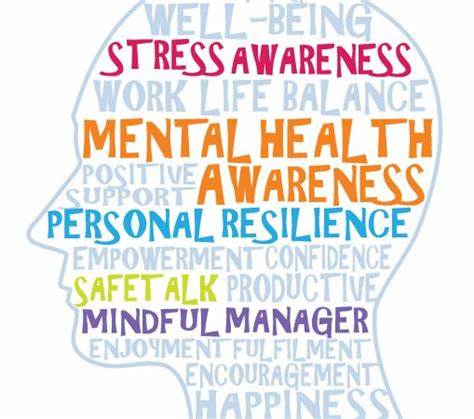
Mental Health in the Workplace

The workplace is the most important environment to discuss mental health and illness, yet people don’t talk about it. Employees are afraid of talking about with co-worker and bosses. They don’t want to lose their job and feel judged by their co-workers and learning about their illnesses. The stigma of mental illness keep them silent. About 85% of employee’s mental health conditions are not diagnosed or untreated. Mental health conditions cost employers more than $100 billion and 217 million lost work days each year.

The issue goes beyond making the workplace better. Here are more reasons why investing in mental health treatment and and discussing mental health in the workplace will benefit all of us and all parts of our lives:

Helping People Become Happier, Confident and more Productive

Let’s say an employee who has been diagnosed with a panic disorder. She’s working at the register at a retail store. Feeling overwhelmed with how busy it is and people are getting impatient with her because she’s new. The employee starts to have a panic attack during work. She runs to the bathroom crying. In an environment where she doesn’t feel comfortable about her panic disorder, the situation could become much worse. She might seek treatment, causing her performance to plummet. Her supervisor might consider firing her. To turn this situation around, the boss could recommend ways to cope with the panic disorder in the office. They could work together to create a plan that might allow the employee to improve her performance and become more valuable to the company. These results would improve her overall happiness and confidence.

Breaking the Stigma of Mental Illness

How would you feel going into work one morning and hearing a negative conversation about mental illness? I feel like no one talks about mental illness as if it doesn’t exist. At my previous jobs some of my co-workers didn’t have enough education to be sensitive. They accuse people of using mental illness as an excuse to be lazy or receive special treatment. When people wants to view their mental health issues in a positive way, they need encouragement and acceptance in all parts of their life. Inconsistencies or an absence of positive rhetoric in one environment can make it harder to fight the stigma of mental illness.

Less Stress and More Benefits to Bring Home

When people stress about their mental health problems at work, they bring that stress home. It then negatively impacts their life and relationships outside of work. Creating a working environment where people can openly discuss their mental health issues and treatment, can reduce the stress. This can improve people’s lives outside of work.

Decreasing Social Isolation and Making People Feel more Included

Employers can prevent isolation by encouraging employees with mental health issues to connect with other people who deal with similar issues. Creating an environment where people can discuss mental illness openly will negate this feeling of isolation.

Its time to break the stigma of mental illness in the workplace. Its good for employees and supervisors to have some education about mental health and a better understanding. Employees should feel comfortable talking about it and not feel judged by their co-workers.

Blog at WordPress.com.

Up ↑

Design a site like this with WordPress.com
Get started