The growth that I am experiencing is my healing and spiritual growth. Being sober for almost four years, going to therapy, and working on my mental and physical health is an amazing journey. My spiritual growth is important to me because it brought me closer to God. I’ve been working on building a relationship with him and it has made me rethink about my life choices. Looking back on how I was in my late twenties versus now being thirty-three years old, I have changed to become a better me. I want to share my life experiences with the world to inspire people. To let them know they can overcome any challenges and obstacles in their life.
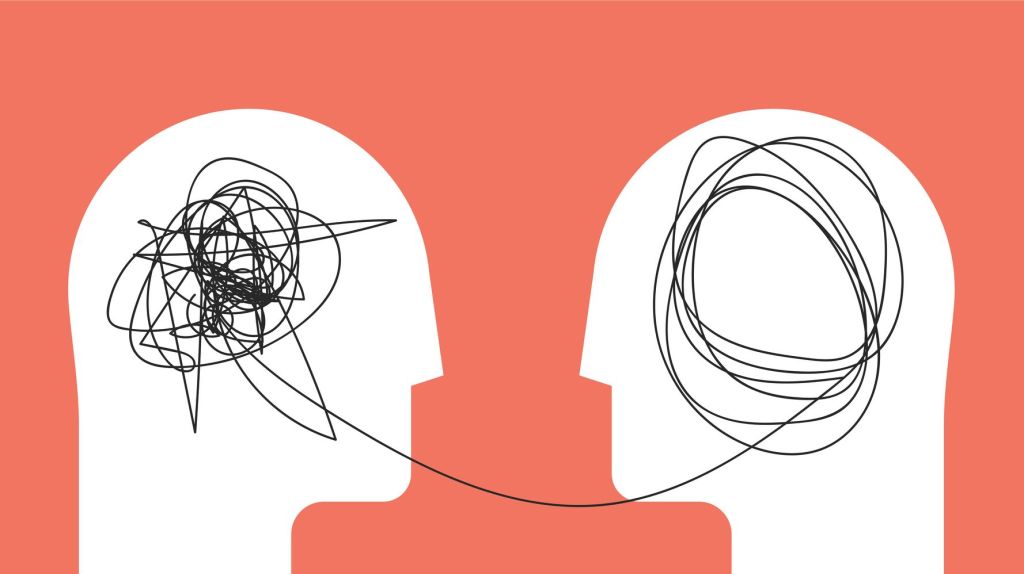
Intergenerational trauma is a concept developed to help explain years of generational challenges within families. It is the transmission (or sending down to younger generations) of the oppressive or traumatic effects of a historical event. Examples of intergenerational trauma are domestic violence, alcohol and drug addiction, child abuse and neglect refuges, and survivors of combat trauma and war related trauma. This type of trauma often goes unrecognized. This allows the cycle to continue. Common symptoms includes low self-esteem, depression , anxiety, insomnia, anger, and self-destructive behaviors. Sleep disturbances, substance abuse disorders, numbing and detachment, respiratory symptoms, and much affects a person. Children may experience difficult with attachment, disconnection from their extended families and culture and high levels of stress from family and community members who are dealing with the impacts of trauma. Breaking generational trauma is about building resilience through and loving communication between generations is one of the best ways to loosen generational trauma’s grip. Healing happens when family members speak up and work through any hurt, pain, or abuse from the past. Having an open and honest communication can open up channels of healing and foster resilience amidst family adversity. Children of trauma survivors must be willing to work through their family’s trauma in order to help break the cycle. If you’re working through intergenerational trauma connecting with a mental health professional can have benefits. A trauma informed therapist can help you begin to heal by : listening to your experiences and sharing insights into trauma responses.
Eye Movement Desensitization and Reprocessing known as EMDR is a phased, focused approach to treating traumatic and other symptoms. It helps by reconnecting the client in a safe and measured way to the images, self-thoughts, emotions, and body sensations associated with the trauma, and allowing the natural healing powers of the brian to move toward adaptive resolution.
EMDR is an eight-phase treatment method. History taking, client preparation, assessment, desensitization, installation, body scan, closure and reevaluation of treatment effect are the eight phases of this treatment which are briefly described. A case report is also depicted which indicates the efficacy of EMDR.
This is performed by approaching psychological issues in an unusual way. It does not rely on talk therapy or medications. Instead, EMDR uses a patient’s own rapid, rhythmic eye movements. These eye movements dampen the power of emotionally charged memories of past traumatic events.
I am currently doing EMDR with my therapist. It does get intense, depending on what traumatic events has happen in my life. Doing EMDR is my way of healing and getting touch with my emotions.
Breathe Deeply: Slowly inhale, then, exhale. If it helps, you can say or think “in” and “out” breath filling your lungs and note how it feels to push it out.
Move your Body: Do exercises or stretches. Yoga or walking.
Picture the Voice or Face of Someone you Love: If you feel upset or distressed, visualize someone positive in your life. Imagine their face or think of what their voice sounds like. Imagine them telling you that the moment is tough, but that you’ll get through it.
Practice self-kindness: Repeat kind, compassionate phrases to yourself:
“You’re having a rough time, but you’ll make it through.”
“You’re strong, and you can move through this pain.”
“You’re trying hard, and you’re doing your best.”
Say it, either aloud or in your head, as many times you need.
Listen to Music: Put on your favorite song, but pretend you’re listening to it for the first time. Focus on the melody and lyrics (if there are any). Does the song give you chills or create any other physical sensations? Pay attention to the parts that stand out to most of you.
Plan an Activity: This might be something you do alone or with a friend or loved one. Think of what you’ll do and when. Maybe you’ll go to dinner, take a walk on the beach, see a movie you’ve been looking forward to, or visit a museum. Focus on the details, such as what you’ll wear, when you’ll go, and how you’ll get there.
These couple of weeks has been overwhelming and emotional draining. From dealing with with people not understanding me and trying to cope with my mom’s anniversary of her passing. I have so much anger and frustration building up. I’m at the point of not knowing what to do. My energy is so off that my friends and family are starting to notice. I try my best to hide it but, sometimes it doesn’t work that way. I haven’t been feeling like myself and I think its best for me to escape for a while. (not isolate myself)I think its important to focus more on my mental health and try to figure out what is causing my thought process to be so negative.









 The Road to Recovery